
Trace Highland County Former Owners
Former owners come to light one transfer at a time. Begin with the newest deed into the current grantee. Copy the grantor, date, deed type, and legal description. Then search that grantor as a grantee in the earlier period. Keep going while the parcel description stays consistent. Treat the table as a working transcript. It is not a sample chain for a specific Highland property. Enter the actual dates and parties drawn from each deed record you pull.
| Transfer Date | Grantor → Grantee | Deed Type | Book / Page |
|---|---|---|---|
| Copy from the deed | Transcribe the named parties | Record what the instrument says | Use the Clerk’s reference |
| Copy from the prior deed | Match prior grantor to grantee | Record the stated transfer | Keep each citation |
| Continue into an older book | Confirm names and land description | Do not assume type | Note the reel or book |
The Highland Circuit Clerk's index reaches back to the county's 1847 records. The online coverage limit is unknown. An LVA finding aid lists deed books from 1847 through 1904, and a general index covering 1847 to 1902. A grantee index series runs to 1981. Use SRA when the online index is enabled. Turn to the Clerk for a local copy or an older book. LVA fills gaps with its microfilm collection. The Virginia SRA land-record service is the online index route. The Library of Virginia finding aid lists Highland's older book and index runs.
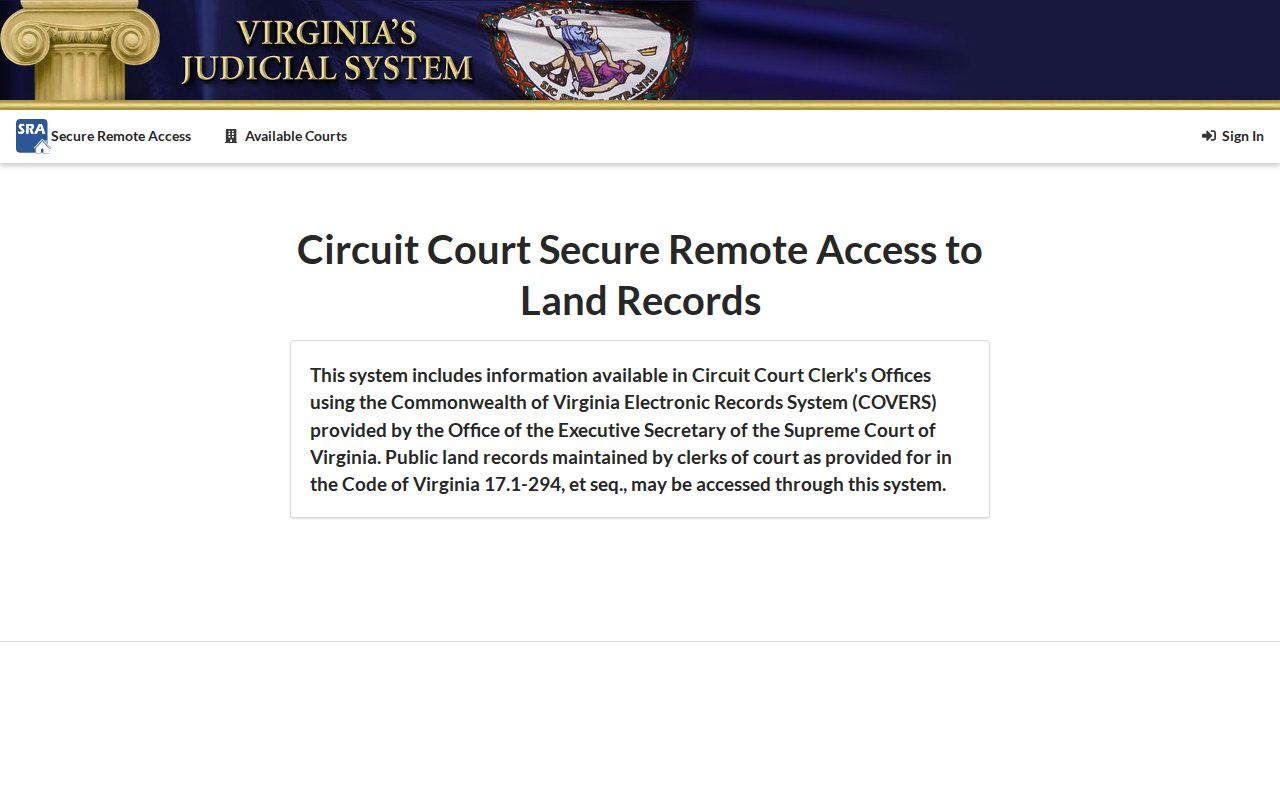
An index entry can flag a likely transfer. Reading the full legal description takes an image or a clerk copy, so plan on pulling the deed itself.
Highland’s Online Deed Cutoff Is Unknown
The Circuit Clerk confirms land records from 1847. Neither the county page nor the SRA reference publishes Highland's earliest online index year. No cutoff date should be assumed. Do not presume every book exists as an image, either. A record may sit in the index. It may still need a subscriber account for the image itself. If a deed search stalls, test spellings and widen the date range. Then move to the Clerk's counter or a written request.
Copies carry a paper rate of $0.50 per page. Larger files can bring additional charges. Call 540-468-2447 to confirm how to cite the deed. The LVA finding aid can bridge a gap in online access. But confirm reel numbers and current loan steps in the catalog first.
Highland Deed Books and Reels
The Library of Virginia inventory opens with Deed Book 1. That book runs from 1847 to 1853 on reel 1. Books 2 through 3 span 1853 to 1870. Book 4 covers 1870 to 1876. Books 11 and 12 reach 1899 through 1904. The catalog also lists a general deed index for 1847 to 1902, plus a grantee series running to 1981. Some reels are marked available for interlibrary loan. Confirm the exact reel sequence before requesting one.
Walk the chain through the deed books. Avoid jumping straight to a surname in a broad archive search. The index points to a book and page. The deed itself supplies the conveyance, the tract wording, and the parties. Older descriptions often use a farm name or metes-and-bounds calls. Keep that text beside the later deed. Then a surveyor or title professional can judge whether the same land is involved.
The Highland microfilm inventory is the best verified guide to its book runs.
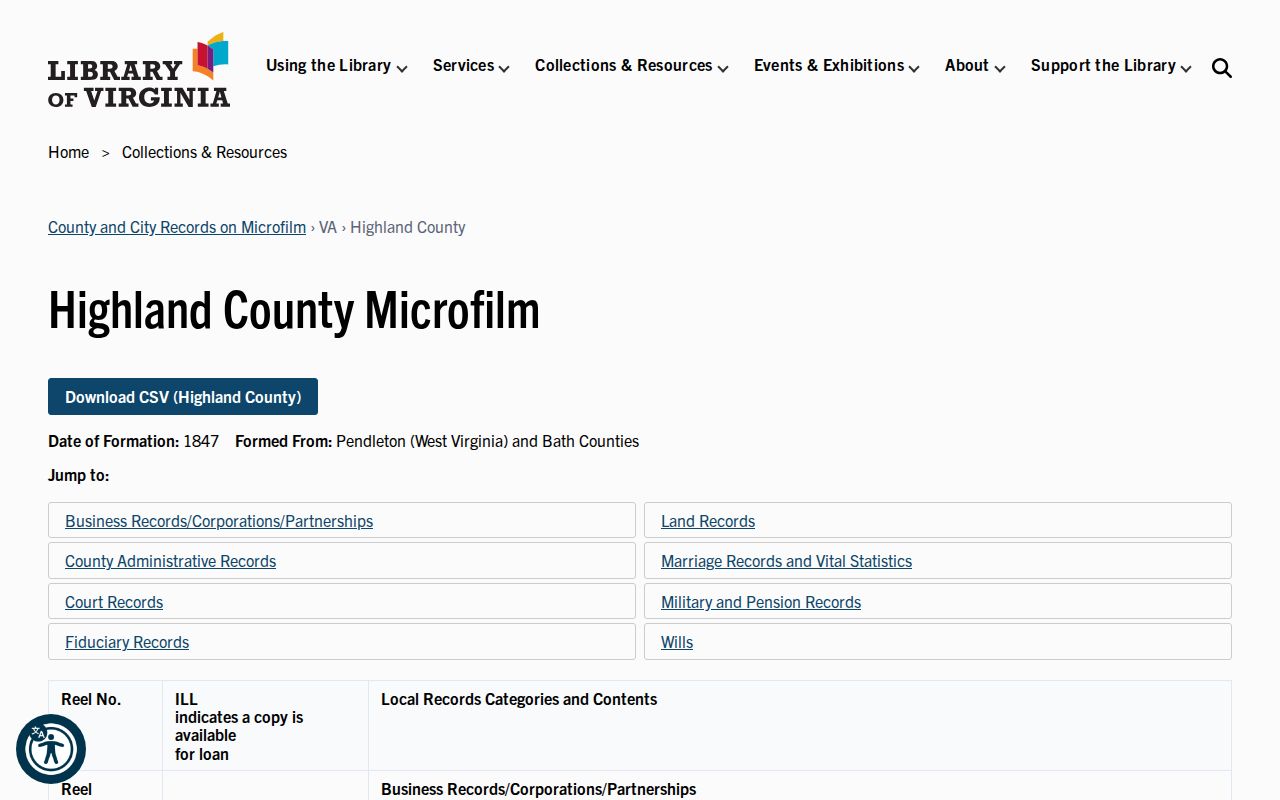
Check the reel and book sequence in the finding aid. From there, follow the names and the legal description back through each earlier conveyance.
Former Highland Owners Before 1847
Highland County was formed in 1847. It was carved from Bath and Pendleton territory. A chain that predates the county may sit under one of those parent jurisdictions. The parcel now lies in Highland. The line between jurisdictions shifted before any modern parcel number existed. Bridge that shift with the tract description, grantor, grantee, and date. Carry the latest Highland deed backward to the oldest book it cites first. An instrument may fall before county formation. Then search Bath and Pendleton deed books and indexes for the same parties or tract. LVA's catalog and the local clerk can help identify the right volume. A surname alone will not connect land across jurisdictions.
Probate Reconnects Highland Deed Chains
A death can break a simple grantor-to-grantee sequence. Highland's Circuit Clerk holds fiduciary and estate records from 1847. The probate materials may name an executor, administrator, heir, or court-approved sale. Search the estate file and the land index side by side. Look for an order authorizing a sale. Look for an executor deed and a later conveyance into an heir or purchaser.
Vital records can confirm a death or a relationship. They cannot establish who received the land. Virginia VDH and the local clerk follow separate access rules for certificates. Treat the deed or probate record as the land fact. If the estate index is not online, ask the Clerk for the right fiduciary search and copy route. The Virginia Department of Health Vital Records page explains certificate eligibility. It also covers the separate request process for death and other vital records.
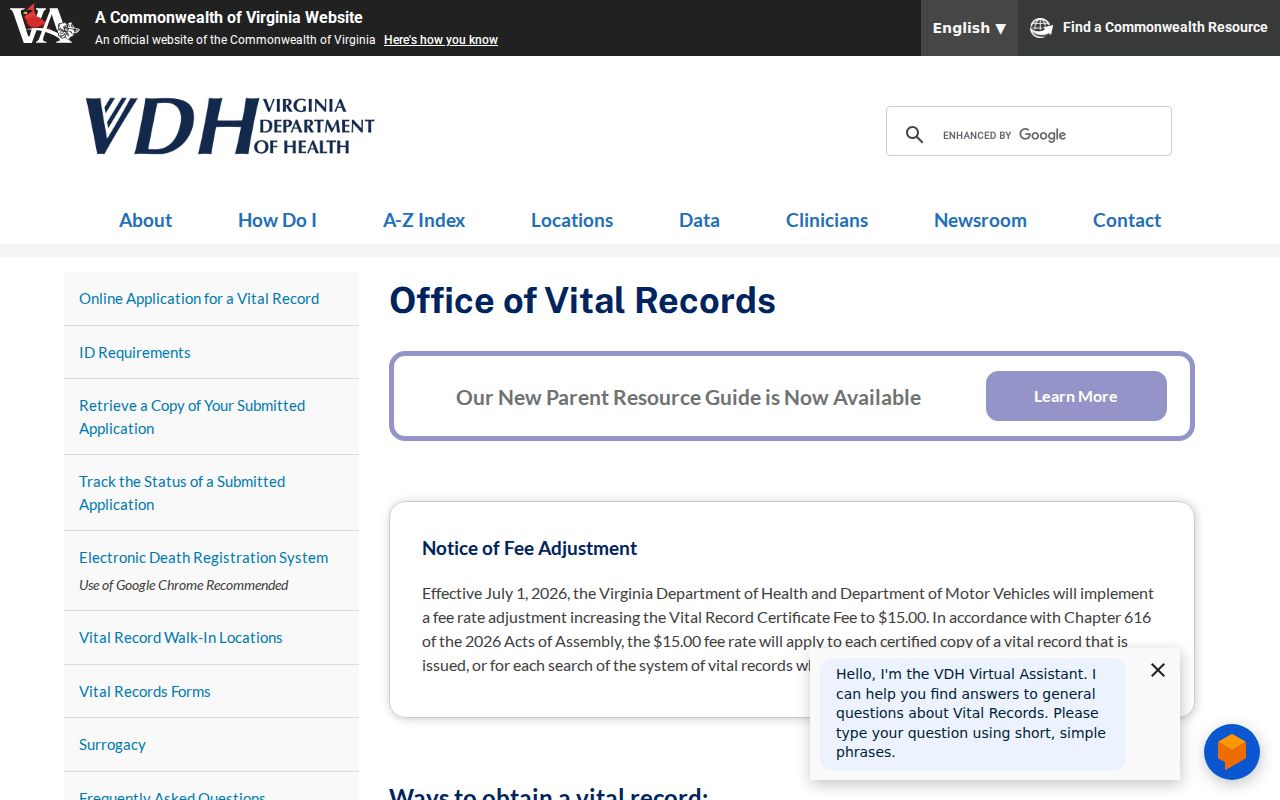
Probate papers can confirm a life event, but the deed books carry the transfers themselves. A Highland chain rarely ends where you expect. It runs back only to the county's 1847 formation. Before that year, the same land sat in Bath or Pendleton. So the search continues in those parent counties' deed records.
The LVA finding aid catalogs early Highland deed books and their indexes. Some reels circulate through interlibrary loan. Note every instrument's date, parties, legal description, and book-page citation as you go. Then match the same tract across entries. A shared surname means little on its own. Without the description matching, you may simply have found a different Highland family. That family would have no tie to the parcel.
The Recorder Adds Highland Context
The Recorder has served Monterey since 1877. That longevity makes it a neighbor to the deed books. The Highland County Public Library holds local newspaper microfilm covering 1891 through 1949. The Virginia Newspaper Directory points the way to other holdings.
A short notice can carry real weight. It may reveal an estate sale or a tax sale. It may show a road change, a farm name, or a transfer date. An abbreviated deed entry often leaves these out. Still, a newspaper item supports the record. It never replaces a recorded instrument.
Search the same person and community across several dates. Then set the notice beside the deed and probate file. The paper can also explain a name puzzle. An old road or farm name may differ from a current address. The 2026 DHR marker notice documents The Recorder's Monterey history.
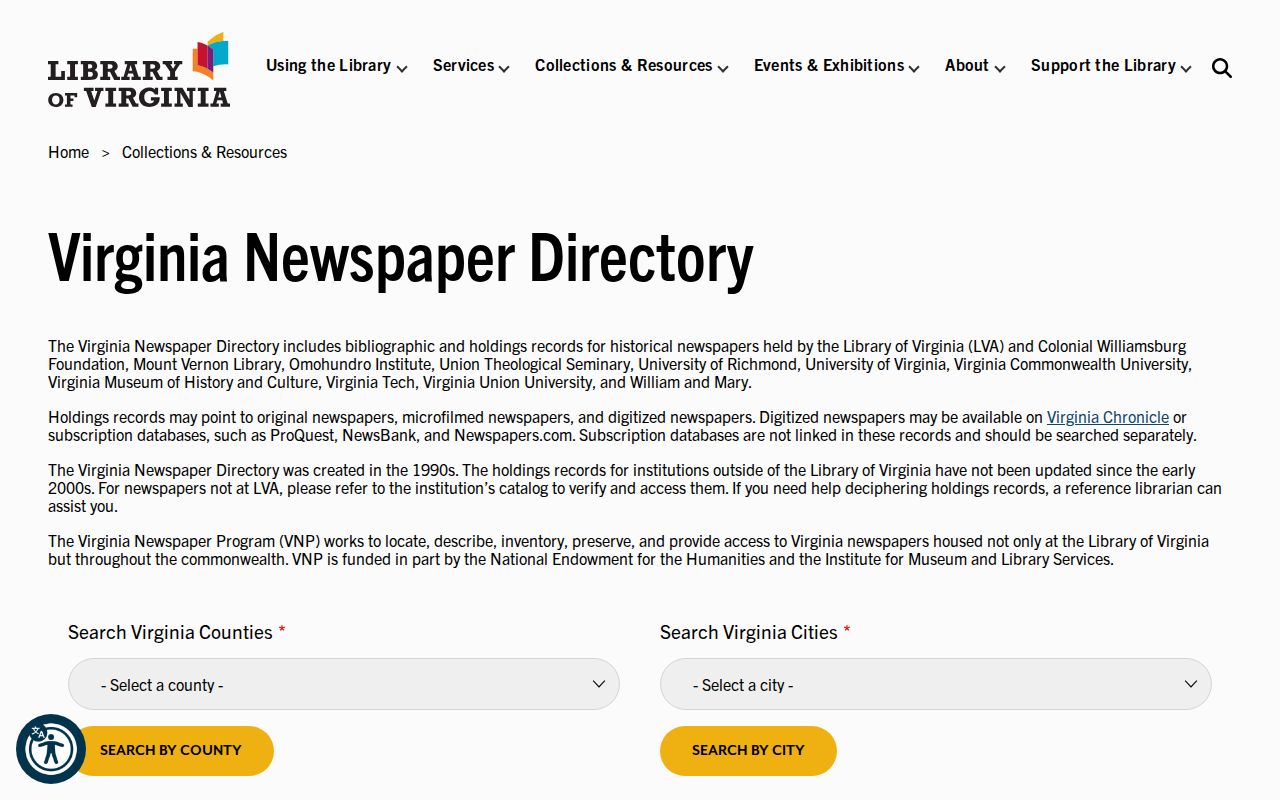
Note: The directory helps locate newspaper holdings, so verify current library access and reel completeness before you plan a visit.
Highland Legal Descriptions Outlast Addresses
An old Highland deed may never name a street number. Instead, it counts acreage by metes and bounds, names a farm, or cites a plat or lot. A modern address helps you spot the rough parcel. But the legal description is the stronger key for tying former owners together across the years.
Track spelling shifts and name changes as you work. Try alternate initials and family forms. Never merge two people just because a name matches. Witnesses, tract names, adjoining owners, estate papers, and plat references all serve as clues, and each one should lead back to the same land appearing in the prior deed.
Walk the Highland Deed Chain Backward
Start with the newest recorded deed into the current grantee. Read the grantor, the land description, the recording reference, and the stated instrument date. Then search that grantor as a prior grantee. Repeat, and compare the tract at every step. A backward walk through Highland County property records shows what the books hold. It is not a promise that every private or unrecorded interest made it into the record.
- Find the latest Highland deed in which the present grantee received the parcel.
- Copy the grantor, date, legal description, and book-page or instrument reference.
- Search that grantor as a grantee in an earlier period and match the same tract.
- Continue into Clerk books, LVA reels, and Bath or Pendleton records where needed.
- Grantor
- The party who conveyed an interest in the earlier deed.
- Grantee
- The party who received that interest.
- Chain of title
- The linked sequence of recorded transfers for the same land.
- Legal description
- The deed’s written identification of the tract, lot, or acreage.
How Far Back Highland Ownership Records Go
Highland's deed books open in 1847. The oldest listed volume is Deed Book 1, covering 1847 through 1853. The online SRA cutoff is not stated. The LVA finding aid lists deed books through 1904. It also lists indexes reaching into 1981 and related court and fiduciary collections. Highland records show no courthouse fire or major loss. So explain a gap with something better than an invented disaster.
For ownership before 1847, move into Bath or Pendleton deed records. For later eras, lean on the Clerk's index and books. Use the written-copy service and LVA microfilm whenever an online image is missing. The Recorder newspaper and probate files add context. They help whenever an estate, a farm name, or a road change breaks an easy surname search through Highland County property records.
Lawful use. Highland former-owner research serves property history and lawful diligence. Do not use a deed chain or personal details to track, threaten, or harass any living person.